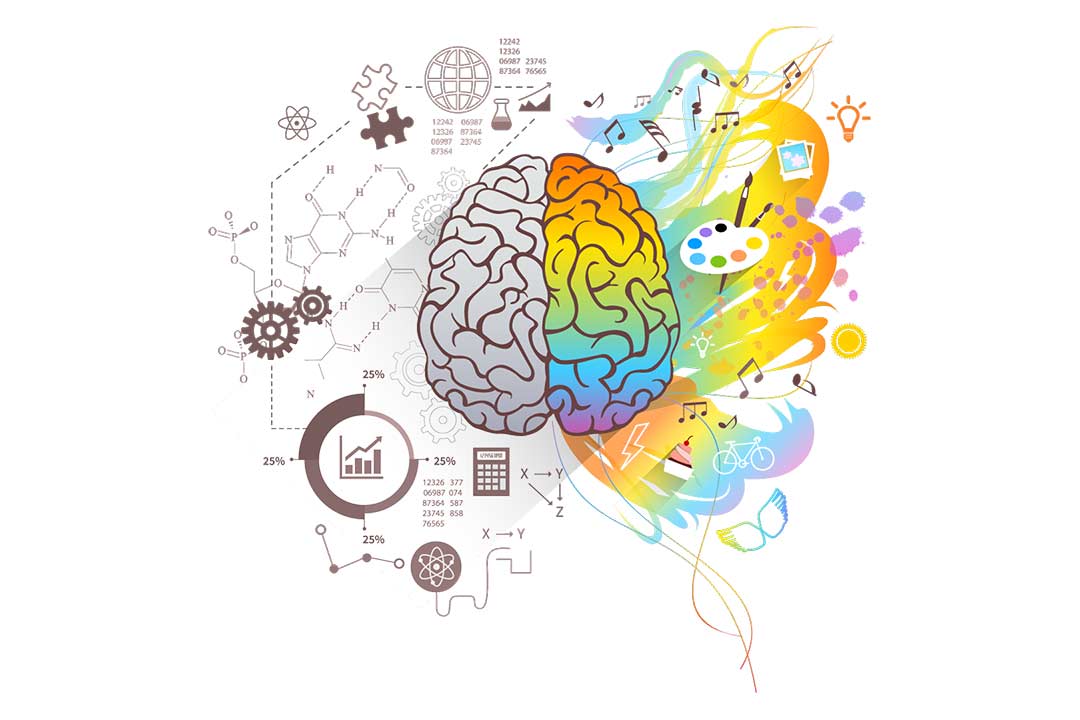
Creativity is often perceived as a gift reserved for a fortunate few. However, research in psychology and education shows that it is, above all, a skill that develops when the environment supports it. From this perspective, Montessori education provides an ideal framework for creativity to flourish.
From a very young age, children display a natural curiosity and a deep desire to explore, imagine, and make sense of the world around them. Montessori education seeks to preserve this innate drive by placing the child at the centre of the learning process. Within a carefully prepared environment, children are free to choose activities according to their interests and stage of development. This autonomy strengthens their self-confidence and encourages them to experiment, persevere, and find their own solutions to the challenges they encounter.
This freedom of choice is closely linked to another fundamental element: intrinsic motivation. In a Montessori classroom, children learn primarily for the joy of discovering and understanding. Free from the pursuit of external rewards, they become more deeply engaged in their work. This personal motivation naturally encourages initiative, exploration, and the emergence of new ideas—all essential components of creativity.
Mistakes, in turn, are viewed as a normal and constructive part of the learning process. Children are encouraged to try, adjust, and try again until they find a solution that works for them. This approach develops cognitive flexibility and the ability to consider different possibilities—skills that are closely connected to creativity and innovation.
In a constantly changing world, where adaptability and the ability to imagine new solutions have become essential, fostering creativity has never been more important. By providing children with an environment built on trust, independence, and the joy of learning, Montessori education helps cultivate the creative potential that exists within every child. Helping a child become creative also means giving them the tools to become an adult capable of imagining, innovating, and shaping the world of tomorrow.
To learn more : Denervaud, S. et al. (2023), Montessori education: a review of the evidence base, Campbell Systematic Reviews. DOI: 10.1002/cl2.1330.