Emotions are an integral part of our daily lives. They play a crucial role in our balance—and even in our survival. Yet, we often talk about “managing emotions” without always taking the time to understand how they actually work. Before we can help a child regulate their emotions, it is essential to understand where those emotions come from.
An emotion never appears by chance. It always arises from a trigger: a situation, an event, or sometimes even a simple thought. What is important to understand, however, is that the emotional response does not depend solely on the situation itself. It depends above all on how that situation is perceived.
And that perception is unique to each individual. It is shaped by personal history, sensitivity, and past experiences. As a result, the same event can provoke very different reactions from one child to another. Where one child may feel joy, another may experience fear or anxiety. For example, seeing a bicycle may be a source of excitement for one child—and a source of stress for another, depending on their learning experience.
Understanding emotions therefore means recognizing that it is not the situation itself that triggers a reaction, but the interpretation we give it. Supporting a child also means helping them take a step back, so they can develop a more balanced perspective on what they are experiencing.
Furthermore, our brains are naturally wired to retain negative experiences more strongly, such as fear or anger. This mechanism is useful: it helps us quickly detect danger and protect ourselves. However, in today’s environment, this sensitivity can be constantly activated.
Children today grow up in a society where performance, image, and comparison play a major role. With digital tools and social media, they can easily feel that they are not “good enough.” A few difficult experiences, when repeated or misunderstood, can lead to the development of limiting beliefs such as “I’m not capable” or “I’ll never succeed.”
Gradually, these thoughts can weaken self-esteem, increase stress, and affect relationships with others.
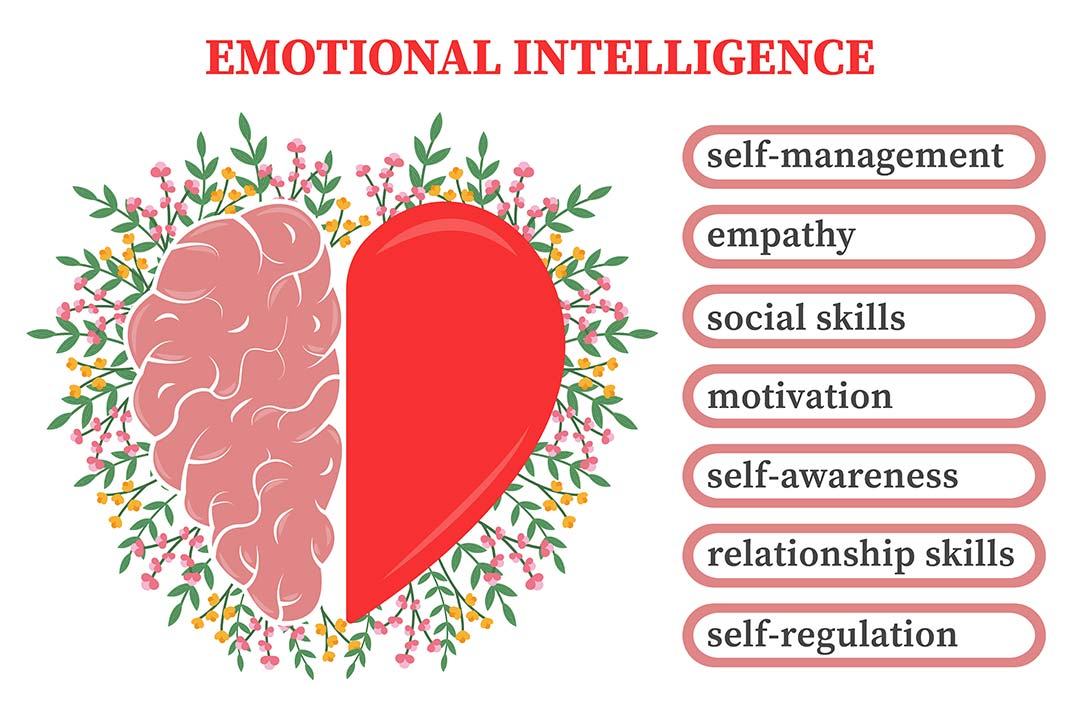
The goal is not to reject technology, but to understand its impact and support children within this environment. Helping them recognize, name, and understand their emotions is an essential skill. As they develop this ability, they gradually learn not to be overwhelmed by their emotions, but to use them as valuable resources—especially in their learning.
Supporting a child in understanding their emotions means giving them strong foundations to grow with confidence in a constantly changing world. This is also why, at school, specific tools and approaches are implemented to support this learning—just as fundamental as reading, writing, and arithmetic.
- +41 (0)79/864.66.33
- administration@montessori-seeds.ch
- Mon - Fri: 8AM - 12AM