In the 6–12 classrooms, emotional learning is fully integrated into daily life. Although the Kimochis approach is not yet formally implemented in this section, supporting students in managing their emotions is an essential part of both classroom time and informal moments, such as recess.
A particularly rich setting for this learning is… the football field. During matches, tensions often arise: a disputed foul, a debated goal, or differing interpretations of rules. Even with a referee—often a student—it can be difficult to maintain order, and adults may need to step in.
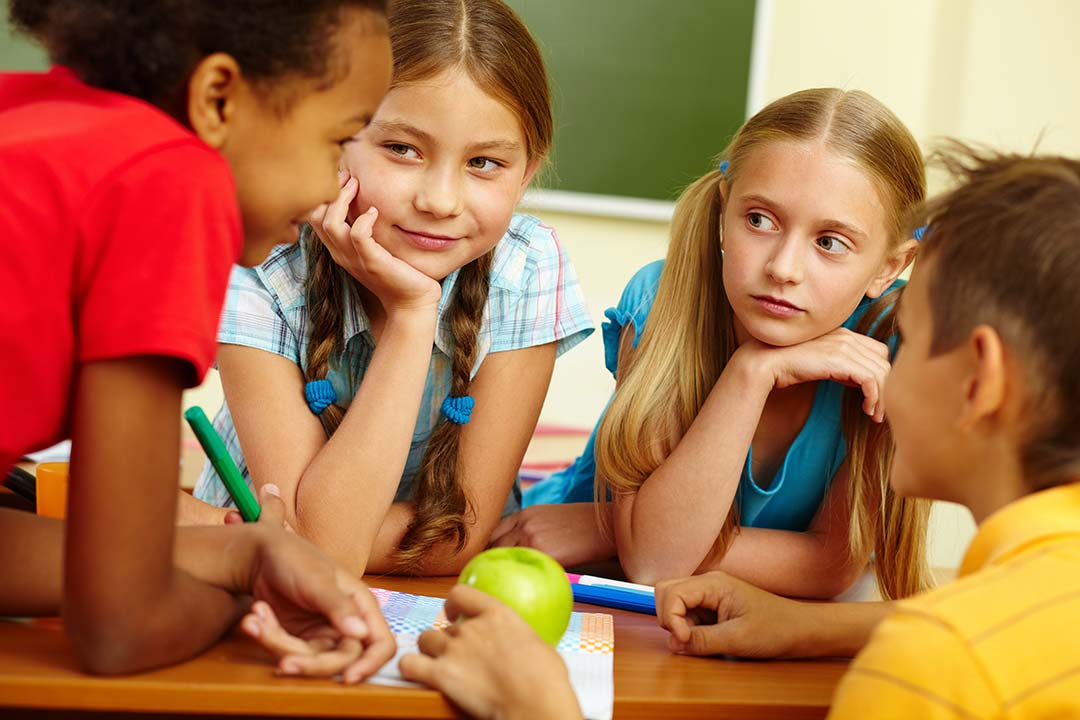
Rather than seeing these situations as mere incidents, they are treated as valuable learning opportunities. In the afternoon, time is often dedicated to reflecting on what happened. Each child involved is invited to share their feelings and perspective. Very often, accounts differ—and this is precisely where the learning begins.
Students gradually learn to distinguish between facts and interpretations. They discover that the same situation can be experienced differently by each person. This process helps them develop an essential skill: listening.
As discussions unfold, the atmosphere shifts. Voices calm down, emotions are expressed with more perspective, and students become able to work together to find solutions. The goal is not to avoid disagreements—they are part of life—but to learn how to navigate them without resorting to aggression.
Of course, these situations may happen again. But each discussion helps build stronger reference points. Children learn that even intense emotions are not obstacles—they can become energy to channel, a starting point for reflection, and an opportunity to make more constructive choices.
Through these repeated experiences, students develop their ability to step back, regulate their emotions, and act more consciously. These skills will benefit them throughout their lives.