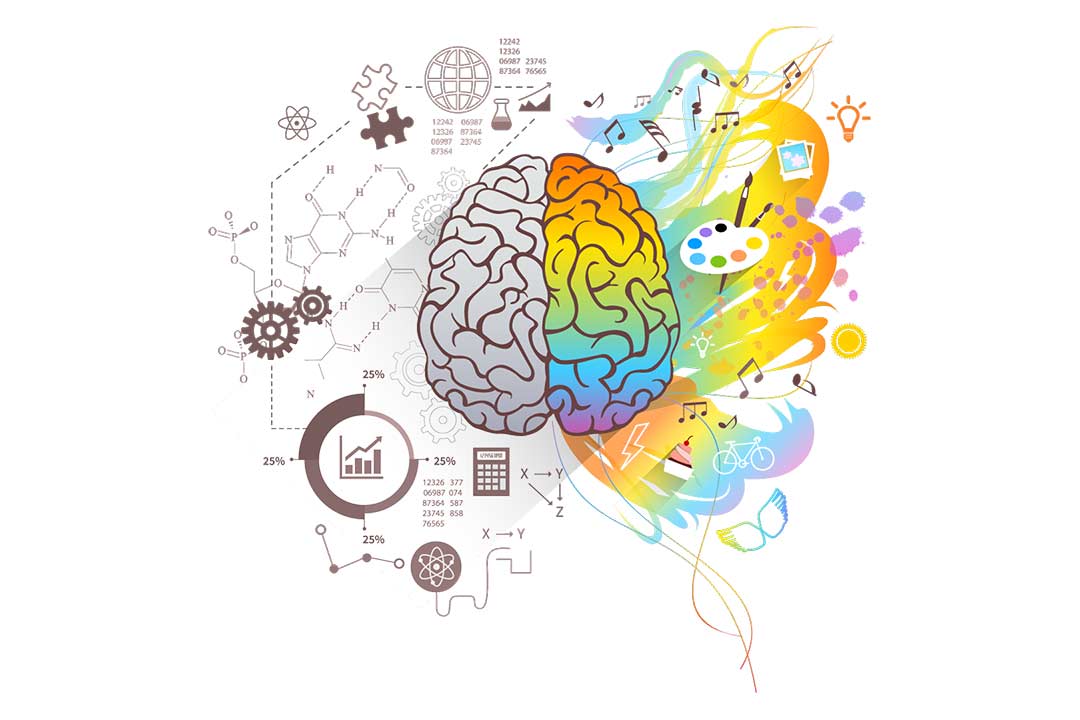

ADD is a neurological difference, most often of genetic origin, affecting certain areas of the brain involved in attention, organisation, and impulse control (Castellanos et al., 2002; Arnsten, 2009). A key element of this functioning is dopamine, a chemical messenger essential for concentration, motivation, and learning. In children with ADD, dopamine activity is shorter and less stable, making it difficult to sustain attention, particularly during long or low-stimulation tasks.
In some cases, medications known as neurostimulants may be prescribed. Their role is to help prolong the effect of dopamine in order to support attention and impulse regulation (Faraone & Buitelaar, 2010). Such treatments are always part of a comprehensive approach and must be prescribed and monitored by qualified professionals.
It is essential to remember that ADD is neither a flaw nor a destiny. It is one of the many ways a brain can function. With an accurate diagnosis and appropriate support—clear routines, organisational tools, pedagogical adaptations, and caring guidance—children can learn to channel their energy and fully develop their strengths, such as creativity, curiosity, and often original thinking.
Addressing ADD with appropriate strategies and, when necessary, medical support is comparable to correcting myopia with glasses. Appropriate support improves attention, facilitates learning, and can also help prevent certain long-term difficulties. Indeed, studies show that untreated ADD can be associated in adulthood with increased impulsivity, risk-taking behaviours, and relational difficulties (Biederman et al., 2006).
With informed understanding, compassionate support, and appropriate tools, what may appear to be an obstacle often becomes a powerful lever for development. Every brain is unique, and recognising this diversity allows us to support each child in reaching their full potential.