
Warning: Trying to access array offset on value of type bool in /home/clients/45539c22f3660e3b748fc78c404f8e2a/web/wp-content/plugins/elementor-pro/modules/dynamic-tags/tags/post-featured-image.php on line 39

Warning: Trying to access array offset on value of type bool in /home/clients/45539c22f3660e3b748fc78c404f8e2a/web/wp-content/plugins/elementor-pro/modules/dynamic-tags/tags/post-featured-image.php on line 39

Warning: Trying to access array offset on value of type bool in /home/clients/45539c22f3660e3b748fc78c404f8e2a/web/wp-content/plugins/elementor-pro/modules/dynamic-tags/tags/post-featured-image.php on line 39

Warning: Trying to access array offset on value of type bool in /home/clients/45539c22f3660e3b748fc78c404f8e2a/web/wp-content/plugins/elementor-pro/modules/dynamic-tags/tags/post-featured-image.php on line 39
Practical Life: Building Autonomy Through Everyday Action - Montessori Seeds of Knowledge

Practical Life: Building Autonomy Through Everyday Action

In our 3–6 classrooms, activities are organised into five main areas: practical life, sensorial education, language, mathematics, and cultural studies.

Warning: Trying to access array offset on value of type bool in /home/clients/45539c22f3660e3b748fc78c404f8e2a/web/wp-content/plugins/elementor-pro/modules/dynamic-tags/tags/post-featured-image.php on line 39

Among these, practical life holds a central place, as it directly meets the fundamental needs of the child at this stage of development.

Through practical life activities, the child develops concentration, coordination, and fine motor skills. These activities also allow the child to absorb the culture of the country in which they live and to take an active role in the social life of the classroom.

By repeating everyday actions, the child builds independence and strengthens self-confidence. For example, an activity as simple as transferring seeds with a spoon enables the child to master a precise movement. In other cultures, this tool might be replaced by chopsticks: what matters most is the repetition of the movement until it becomes natural, almost “unconscious.” While this activity initially requires a high level of concentration, it gradually becomes fluid and controlled.

These learnings naturally extend into daily life: using a spoon to eat soup, serving oneself during a meal, or taking part in classroom responsibilities. Through simple, meaningful activities, the child becomes an active participant in their environment, refines control of their body, and responds to a deep developmental need: the desire to do things independently.

D'autres articles

La créativité un talent qui se cultive

Creativity: A Talent That Can Be Cultivated

Creativity is often seen as an innate talent. Yet it is something that can be nurtured from an early age through the freedom to explore, experiment, and take risks. In this newsletter, discover how Montessori education supports children in developing their creative potential—from the Toddler Community to the Adolescent Programme—through meaningful projects that foster imagination, collaboration, and self-expression.
We hope you enjoy reading!

Read More
Créer avec le coeur

Creating from the Heart

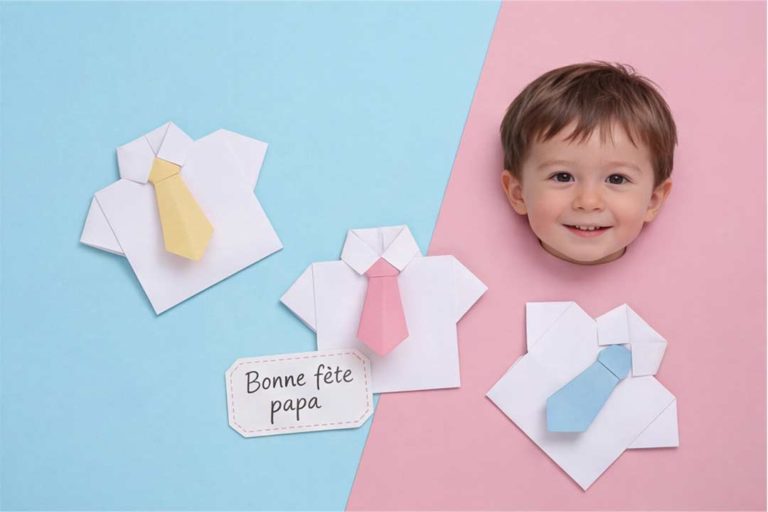
For Father\’s Day, the children in the children\’s community made a paper shirt decorated with stickers—an activity that fostered their fine motor skills, creativity, independence, and engagement, driven by the joy of giving a gift to their dad.

Read More
Scroll to Top